
The World of Boutique Perfumes: What Makes Them Special and Why Are They Becoming a Global Trend?
What sets boutique and niche perfumes apart from mass-market scents‚ why people choose them for uniqueness and how they became a global trend.
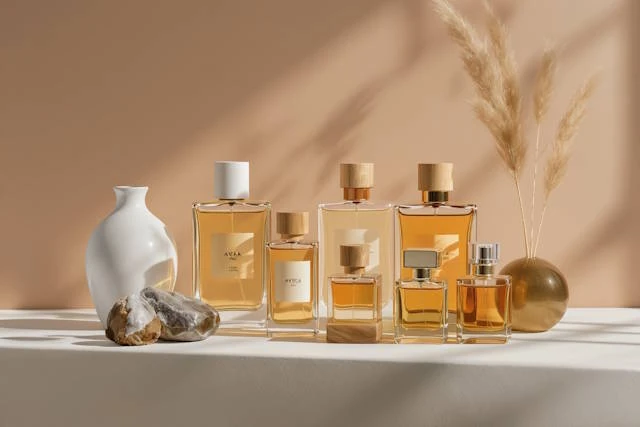
The term boutique perfumes has become‚ in recent years‚ a code name for everything that lies "beyond the regular shelf": scents born in small labs‚ in niche perfume houses or with independent perfumers who prefer to produce hundreds or thousands of bottles rather than millions. They appeal to people who are tired of scents that repeat themselves everywhere and want something that cannot be instantly recognized on every third person in the street. In a reality where people seek a unique identity in their clothing‚ music and lifestyle choices‚ it is no surprise that in the world of fragrance too‚ people are looking for a more personal "signature" - and want to know who the person behind the perfume is‚ not just which giant company stands behind the logo.
What Makes a Boutique Perfume Different from a Commercial One?
The difference between a boutique perfume and a big commercial perfume starts at the idea stage. Large commercial perfumes are usually created after countless focus groups‚ market tests and discussions about what will "work" best for a wide audience‚ sometimes with heavy consideration of cost‚ profitability and global trends. Boutique perfumes‚ on the other hand‚ often grow out of a very personal idea: a childhood memory‚ a particular landscape‚ a single raw material that fascinates the creator or even a life story. Instead of trying to find "the scent everyone will love"‚ the creator asks which story they want to tell through the scent‚ and only then thinks about who will connect with it. This means a boutique perfume tries less to please and more to stay true to itself - and that is exactly why those who do connect with it feel they have found something that is truly "theirs".
The Art Behind the Formula - Creative Freedom and Daring
Another central feature of boutique perfumes is creative freedom. When there is no huge marketing department hovering over the perfumer‚ they can afford to go all the way with ideas considered "crazy" in the commercial world: scents that imitate rain on asphalt‚ an old library‚ the desert at night‚ a fig field at the end of August‚ or even counterintuitive combinations like cold metal with smoked vanilla. Such perfumes are not always "easy to digest" at the first encounter‚ but they leave a mark and invite the wearer to discover new layers each time. For fragrance lovers‚ this is an experience of discovery reminiscent of tasting a fine wine or visiting a gallery - not every work has to suit everyone‚ but each one leaves you thinking.
Raw Materials‚ Quality and Attention to Small Details
Naturally‚ not every boutique perfume guarantees high quality just because it is "small". But many boutique houses build their reputation precisely through obsessive attention to detail: choosing higher-quality and more expensive raw materials‚ working with small suppliers‚ using natural ingredients where possible and producing on a small scale‚ which allows closer control of each batch. Sometimes this shows in a deeper and more vivid scent‚ less "one-dimensional" and flat‚ and in longevity that lasts for hours without becoming overwhelming. The design of the bottle‚ the cap‚ the box and the label is also often done like handiwork - not only to look "different"‚ but out of a belief that every detail of the experience should be precise.
Story‚ Identity and a Human Touch
One of the things that sets boutique perfumes apart is the story behind them. In the commercial world‚ you usually meet a spokesperson‚ a slogan and a campaign. In the boutique world‚ you meet a person - a perfumer‚ a creator or a family who tell how the scent was born‚ why this particular name‚ and what inspired the combination of fig with wood and pink pepper. For many consumers‚ knowing that there is a real human being - with taste‚ a point of view and sensitivity - behind the bottle adds an emotional layer to the experience. Instead of another product rolling off a production line‚ this is a creation with a clear owner; whoever wears it feels they are also buying a piece of that identity‚ not just a pleasant scent.
Uniqueness and the Desire "Not to Smell Like Everyone Else"
In an era when global brands manage to make one perfume popular in every corner of the world‚ quite a few people feel tired of a situation where every second man and every third woman smell the same. Boutique perfumes answer exactly this need: to feel special and to find a scent that cannot be instantly recognized on everyone walking through the mall. Because their production is limited and their distribution relatively narrow‚ the chance of meeting dozens of other people wearing the same scent is much smaller. For those who see perfume as part of their personal identity‚ this is a significant point - like choosing a vintage piece or a piece of jewelry that will not appear in every store.
The Global Trend Toward Authenticity Instead of Luxury
If in the past the key word in the perfume world was "luxury"‚ today it seems the central word is "authenticity". Many consumers‚ especially young ones‚ are less impressed by the name of a giant fashion house and more interested in an experience that feels real‚ close and personal. This is true in food‚ in music‚ in fashion - and in perfume too. Boutique perfumes are seen as a natural response to a world filling up with mass production: they offer something slower and more considered‚ willing to appeal to only a small corner of the market rather than the whole world. Social media has contributed significantly to this: it is easier to tell a personal story‚ reach a community of fragrance lovers around the world and make a small brand known without huge advertising budgets.
Sustainability‚ Environmental Awareness and the Demand for Transparency
Another trend pushing the world of boutique perfumes forward is the growing concern for the environment and sustainability. A wider audience today asks questions such as: does the brand test on animals? Where do the raw materials come from? Can the bottle be refilled? While big brands need complex structural changes to meet these demands‚ small boutique houses can sometimes move faster: choosing recycled glass‚ sharing information about the supply chain and offering refill or made-to-order models. Not every boutique brand is necessarily "green"‚ but many notice that their audience is looking not only for a good scent‚ but also for the feeling of consuming a little more consciously.
The In-Store Experience - Between a Small Studio and a Concept Store
Part of the magic of boutique perfumes is not only the bottle itself but also the place where you meet it. Instead of a crowded shelf in the mall‚ many of these brands are sold in small studios‚ concept stores or niche corners of designer boutiques. The experience there is different: you sit with the creator or with a salesperson who knows each scent well‚ explore together what you like‚ talk about memories and experiences‚ and sometimes even blend on the spot a small variation that suits the customer better. Even when it comes to online sales‚ the language‚ the photos and the way the scent is described try to convey the experience of a personal meeting and not just "add to cart".
The Price - Between a One-Time Investment and Calculated Luxury
There is no way around it: in most cases boutique perfumes are more expensive than commercial ones‚ at least in price per bottle. But part of the audience that embraces them sees them not just as a product‚ but as an investment in experience and identity. When buying such a perfume‚ people sometimes use it less "wastefully"‚ save it for certain occasions or simply enjoy it over a long time as part of a meaningful daily ritual. For others‚ it is calculated luxury: instead of buying several average perfumes‚ they prefer to invest in one or two special ones they know they will want to return to again and again. Here too the idea of "less but better" comes into play - a trend familiar from many lifestyle areas.
Summary
The world of boutique perfumes has moved from the margins to the center of attention for a reason. It combines free creativity‚ the search for uniqueness‚ the wish for a scent that tells a personal story‚ environmental awareness and a broader trend of returning to craftsmanship and the human touch in an industrial world saturated with brands. These perfumes are not for everyone‚ and they are not always "love at first sniff"‚ but for those willing to invest time‚ curiosity and a little thought in choosing the scent that accompanies them - they offer an experience far deeper than a bottle bought on the way at the duty-free shop. Perhaps that is exactly why they are becoming a global trend: in a world where everything looks alike‚ people are once again looking for the small thing that feels like theirs alone - and even if it is "just" perfume‚ for many it is a piece of identity in a glass bottle.