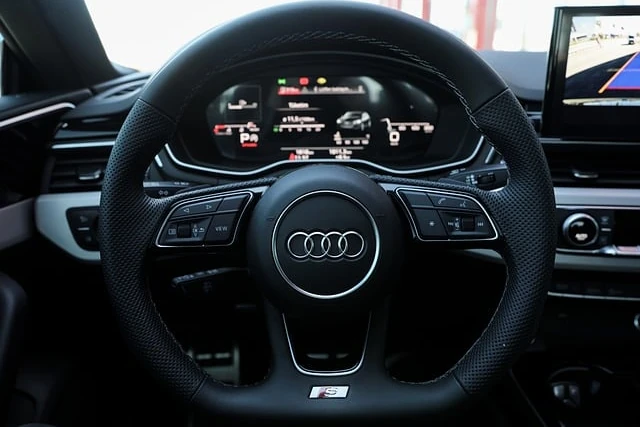

Why Are Electric Cars So Popular?
Environmental awareness‚ longer driving ranges‚ more charging stations‚ government incentives and low running costs keep EV demand growing.
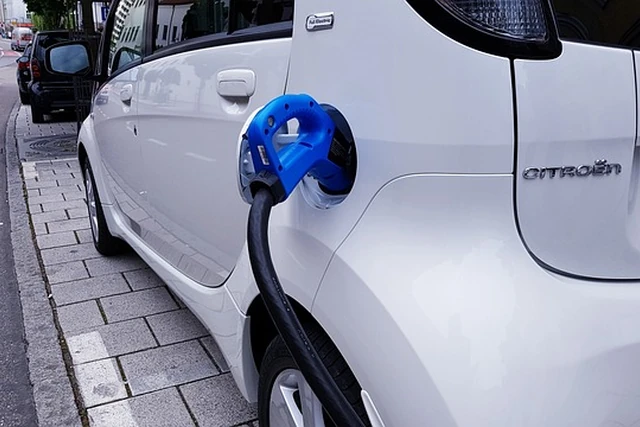
Environmental Awareness
One of the most significant factors driving the popularity of electric cars is growing awareness of environmental issues. As concerns about climate change and air pollution increase‚ many consumers are looking for ways to reduce their carbon footprint. Electric cars‚ which produce zero tailpipe emissions‚ offer a cleaner alternative to traditional vehicles and help cut greenhouse gas emissions and improve air quality.
Lower Emissions
Electric vehicles contribute to a significant reduction in greenhouse gas emissions because they do not rely on fossil fuels. Instead‚ they run on electricity‚ which can be generated from renewable sources such as solar‚ wind and hydropower. This shift away from gasoline helps reduce the impact of transportation on global warming.
Better Urban Air Quality
In addition to reducing greenhouse gases‚ electric cars also contribute to better air quality in urban areas. Traditional vehicles emit pollutants such as nitrogen oxides and particulate matter‚ which can lead to respiratory problems and other health issues. By switching to electric cars‚ cities can reduce these harmful emissions and create a healthier environment for their residents.
Technological Progress and Better Infrastructure
Rapid advances in electric vehicle technology and the expansion of charging infrastructure have made EVs more practical and appealing to a wider audience. Improvements in battery technology‚ longer driving ranges and faster charging times have addressed many of the concerns that once discouraged consumers from buying electric cars.
Longer Driving Ranges
Early electric cars were criticized for their limited driving range‚ which made them less practical for long trips. Modern electric vehicles‚ however‚ offer much longer ranges‚ with many models able to travel more than 300 kilometers on a single charge. This extended range makes electric cars a practical option for a much wider range of drivers‚ including those who travel long distances.
More Charging Stations
The development of wider and more accessible charging networks has also played an important role in the growing popularity of electric cars. With more charging stations available in public spaces‚ at workplaces and along highways‚ drivers can charge their vehicles more conveniently. Advances in fast-charging technology mean that charging times have dropped significantly‚ making it easier for EV owners to keep their cars on the road.
Government Incentives and Policy
Government incentives and supportive policies have helped encourage the adoption of electric vehicles. Many countries offer financial incentives such as tax credits‚ rebates and grants to make electric cars more affordable for consumers. These incentives lower the upfront cost of EVs and make them more competitive with traditional gasoline-powered vehicles.
Tax Credits and Rebates
In many regions‚ governments give tax credits or rebates to people who buy electric vehicles. These financial incentives can significantly reduce the purchase price of an EV‚ making it an attractive option for budget-conscious consumers. In some cases‚ the incentives also apply to installing home charging stations‚ which further lowers the total cost of ownership.
Supportive Regulations
Governments around the world are introducing stricter emissions regulations and setting ambitious targets for phasing out internal combustion engines. These policies encourage carmakers to invest in electric vehicle technology and to offer a wider range of EV models. As a result‚ consumers have more choice‚ which makes it easier to find an electric car that suits their needs and preferences.
Lower Running and Maintenance Costs
Another factor behind the popularity of electric cars is their lower running and maintenance costs compared with traditional vehicles. Electric cars have fewer moving parts‚ which means fewer components that can wear out or break down. This results in reduced maintenance needs and lower long-term costs for owners.
Charging Costs Less Than Fueling
Electricity is usually cheaper than gasoline‚ which means the cost of powering an electric car is lower than fueling a traditional vehicle. Many owners also take advantage of lower off-peak electricity rates to charge their cars‚ which reduces overall costs even further.
Fewer Maintenance Needs
Electric cars do not need oil changes‚ transmission repairs or exhaust system maintenance‚ all of which are common in gasoline-powered vehicles. The simplicity of the electric drivetrain means there are fewer parts to service‚ leading to lower maintenance costs over the life of the vehicle.
Conclusion
The growing popularity of electric cars can be attributed to a combination of environmental awareness‚ technological progress‚ government incentives and lower running costs. As these factors evolve‚ electric vehicles are becoming an increasingly attractive option for drivers who want to reduce their environmental impact‚ save money and enjoy the benefits of modern automotive technology. With ongoing improvements in infrastructure and vehicle performance‚ the future of electric cars looks promising‚ and their adoption is expected to grow even further in the coming years.