

The Unexpected Mental Health Benefits of Gardening
Gardening lowers stress and anxiety‚ lifts your mood‚ keeps the mind sharp and brings people together around a shared green space.
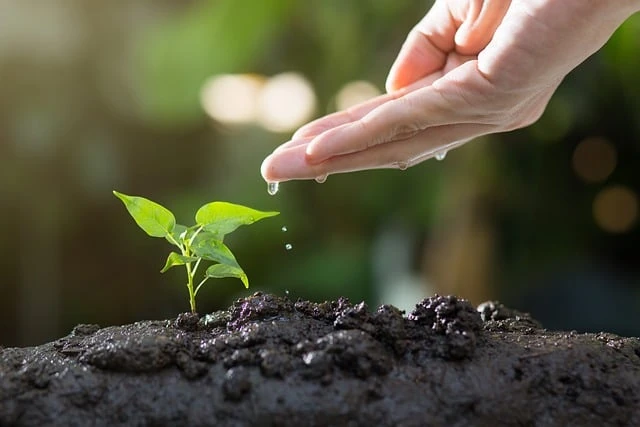
Less Stress and Anxiety
Gardening offers a unique way to disconnect from the demands of daily life and immerse yourself in the natural world. The physical work of digging‚ planting and caring for plants can be very calming and helps lower stress and anxiety levels. Spending time outdoors and connecting with nature has been shown to reduce cortisol‚ the hormone linked to stress‚ and to bring a sense of calm and relaxation.
The repetitive‚ rhythmic movements of gardening can also have a meditative effect‚ letting the mind focus on the present moment and temporarily set worries and fears aside. This mindful engagement with the task at hand helps ease mental strain and promotes a sense of inner peace.
Better Mood and Emotional Well-Being
Gardening is known as a mood booster and is often called a "natural antidepressant". Time in the garden exposes people to sunlight‚ which increases the production of serotonin - a neurotransmitter that contributes to feelings of happiness and well-being. Caring for plants and watching them grow can give a sense of accomplishment and purpose‚ which supports emotional health.
Gardening also encourages physical activity‚ which is a well-known mood lifter in its own right. Physical movement‚ combined with the satisfaction of creating and maintaining a garden‚ helps relieve symptoms of depression and improves overall emotional well-being.
Improved Cognitive Function
Gardening tasks help keep the mind sharp and improve cognitive function. Activities such as planning a garden layout‚ choosing plants and keeping track of gardening schedules call for problem-solving skills‚ memory and attention to detail. These mental demands help keep the brain active and can reduce the risk of cognitive decline with age.
The sensory experiences of gardening - the sights‚ sounds and smells of nature - can stimulate the brain and improve mental clarity. This sensory stimulation is especially helpful for older adults‚ as it helps maintain cognitive function and provides a sense of mental renewal.
Social Interaction
Gardening can also be a social activity that encourages connections with others. Community gardens‚ gardening clubs and even swapping gardening tips with neighbors create opportunities for social interaction and a sense of belonging. Building relationships with people who share similar interests can help fight feelings of loneliness and isolation‚ which are common contributors to mental health problems.
Beyond the social benefits‚ gardening in a community setting can create a shared sense of purpose and achievement. Working together to tend a garden strengthens community ties and offers a collective source of pride and joy.
Mindfulness
Gardening encourages mindfulness by drawing attention to the present moment. Whether it is the feel of soil between your fingers‚ the sound of birdsong or the sight of a flower in bloom‚ gardening engages the senses and helps you stay grounded in the here and now. This mindful engagement with nature can reduce rumination‚ ease negative thought patterns and improve overall mental well-being.
Mindfulness practiced through gardening can lead to better stress management and emotional regulation. The simple act of being fully present in the garden can have a soothing effect on mind and body‚ helping you cope with everyday stress more easily.
Conclusion
The mental health benefits of gardening are far-reaching and often unexpected. From reducing stress and anxiety to lifting your mood‚ improving cognitive function and encouraging social interaction‚ gardening offers a holistic approach to mental well-being. By making gardening part of your routine‚ you can enjoy these benefits and nurture a healthier‚ happier state of mind. Whether you have a small balcony garden or a spacious backyard‚ the therapeutic effects of gardening are open to everyone.