

A Bedroom in Calm Colors: How to Create Interest Without Adding Furniture
Textures‚ shades of one color‚ layered lighting‚ plants and textiles can make a bedroom in a calm palette feel rich without any new furniture.
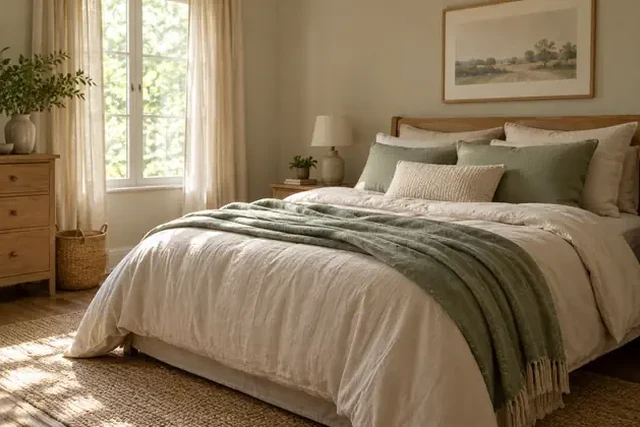
The natural place to start is the bed itself‚ which takes up most of the floor space and most of the attention in the room. Choosing beautiful Egyptian cotton bedding in a quiet shade adds a subtle sheen and a smooth touch that change the way light falls on the bed throughout the day. Long fibers create a dense weave that looks refined even in a completely solid color. Combining a sheet‚ a duvet cover and pillowcases in two close shades creates depth without breaking the harmony. On top of this base you can add further layers‚ each contributing a different texture.
Layers of Texture
When colors are limited‚ texture becomes the main tool for creating visual interest. A knitted throw at the foot of the bed‚ a velvet cushion‚ a washed linen cover and a wool rug give the eye different resting points. The difference between a matte surface and a fabric with a slight sheen is clearly noticeable even when the shade is almost identical. It is worth combining at least three different textures in the room and spreading them between the bed‚ the window and the floor. Touching the different fabrics also adds a tactile experience that contributes to the calm atmosphere no less than the look.
Close Shades from the Same Family
A calm palette is built well from several gradations of the same shade. A room with a beige base can combine cream‚ sand‚ latte and walnut brown‚ and each of them adds a layer of depth. This method‚ sometimes called tone on tone‚ creates a sense of careful design even without sharp contrasts. It is worth choosing one darker shade that appears in two or three places in the room‚ such as a cushion‚ a frame and a vase‚ to create a connecting line. This way the eye moves through the room naturally and finds order even within the quiet.
Lighting at Three Heights
A single central ceiling light flattens the room and highlights its lack of interest. Combining light sources at different heights‚ such as a ceiling fixture‚ bedside lamps and a floor lamp‚ creates zones of light and shadow. Warm bulbs‚ around 2700 kelvin‚ suit a bedroom and enrich the natural tones of wood and fabric. A dimmer on the main light lets you change the atmosphere between the morning and the evening hours. Even a hidden LED strip behind the headboard can add a soft glow that highlights the wall without adding a prominent object.
A Feature Wall Behind the Headboard
The wall behind the bed is the first thing you see when entering the room‚ so it is a good place to add interest. Paint one shade darker than the other walls‚ decorative plaster or wallpaper with a subtle pattern create a focal point without changing the palette. Wood paneling in vertical slats adds warmth and texture and makes the ceiling feel higher. An upholstered fabric headboard mounted directly on the wall adds softness and also serves as a comfortable backrest for reading. Each of these options is only a few centimeters thick and leaves the floor clear.
Potted Plants
Plants bring living color‚ organic shape and a sense of freshness into the room that is hard to achieve any other way. Plants such as snake plant‚ ZZ plant or pothos are content with indirect light and little watering‚ so they suit bedrooms. A tall pot by the window and two small ones on the nightstand or the windowsill create a rhythm at different heights. It is worth choosing clay‚ straw or ceramic pots in natural tones that blend into the room's palette. In homes with small children or pets it is important to check the plant's toxicity‚ because some common houseplants‚ including the ones mentioned here‚ may cause irritation if chewed.
Framed Artwork
One large picture above the bed or a group of three small frames adds a personal story to the room. Nature photographs in muted tones‚ abstract prints or fine line drawings blend well into a calm palette. Frames made of natural wood or thin brass-colored metal add a touch of material without overloading the space. It is best to hang the picture so that its bottom edge is about 20 to 30 centimeters above the headboard‚ so that it looks like part of the composition. A narrow picture ledge on the wall lets you swap and move pieces according to your mood without drilling new holes each time.
Long Curtains Made of Natural Fabric
Curtains are a detail people tend to choose in a hurry‚ even though they cover a large part of the wall and affect the light. A long curtain that reaches the floor and is mounted close to the ceiling makes the room feel taller and adds soft folds that create a play of shadow. Linen or heavy cotton in a shade slightly darker than the walls frames the window and adds depth. Combining a sheer layer with a blackout layer lets you control the light during the day and keep the room completely dark at night. A hidden track or a thin rod in the color of the walls keeps a clean look and highlights the fabric itself.
A Rug Beside the Bed
A bare floor in a light room can look cold‚ especially in the winter months. A large rug that goes partly under the bed‚ or two small rugs on either side‚ define the sleeping area and add softness to the first step in the morning. A wool rug with a subtle geometric pattern adds interest without competing with the bedding. Shades of stone‚ oatmeal or warm gray blend into a calm palette and hide everyday dust. Beyond the look‚ a rug absorbs noise and improves the room's acoustics‚ which adds to the overall sense of quiet.
Small Seasonal Swaps
Small changes with the seasons keep a calm room interesting over time. In winter you can add a thick wool blanket‚ velvet cushions and warm shades such as mustard or terracotta in small touches. In summer‚ switching to light linen‚ removing the heavy layers and placing a green branch in a vase bring lightness and air. It is worth keeping one storage box under the bed for the other season's textiles‚ so that the swap is quick. This way the room is refreshed twice a year at a low cost and without changing the layout or the furniture.
Summary
A bedroom in a calm palette can be rich and interesting even without adding furniture. Varied textures‚ different gradations of the same shade and lighting at several heights create depth that is felt immediately. A feature wall behind the bed‚ plants‚ artwork and long curtains add character without taking up space. A soft rug and seasonal swaps complete the picture and keep it fresh throughout the year. This preserves the quiet and the sense of space for which the calm palette was chosen in the first place.